Address
304 North Cardinal
St. Dorchester Center, MA 02124
Work Hours
Monday to Friday: 7AM - 7PM
Weekend: 10AM - 5PM
Address
304 North Cardinal
St. Dorchester Center, MA 02124
Work Hours
Monday to Friday: 7AM - 7PM
Weekend: 10AM - 5PM
Category: Tool Guide
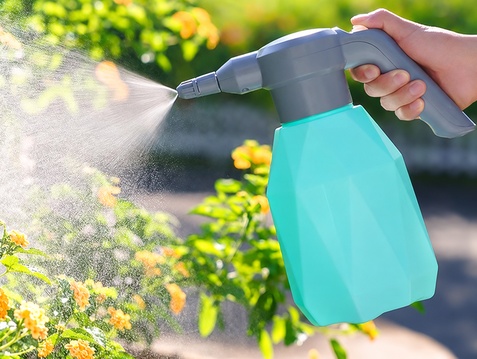
Garden sprayers can be useful tools for watering plants, applying suitable garden solutions, and maintaining flowers, vegetables, and other greenery. When choosing a sprayer, one of the first decisions is whether a manual or electric model better fits your gardening routine.
Both options can serve practical purposes, but they differ in operation, convenience, maintenance, and power requirements. Understanding these differences can help you select a sprayer that suits your plants, garden size, and preferred way of working.
In this guide, we will compare manual and electric garden sprayers and explore the key features to consider before making a purchase.
The main difference between manual and electric sprayers is how they generate spray pressure.
Manual Sprayers
Manual sprayers typically use a hand-operated pump or trigger to generate pressure or release liquid. Depending on the design, you may need to pump the handle periodically or repeatedly squeeze the trigger while spraying.
These models offer a straightforward operating method and do not require battery charging or an electrical power source.
Electric Sprayers
Electric sprayers use a powered pump, generally supplied by a rechargeable or replaceable battery, depending on the model. The motor helps generate spray pressure, reducing the need for repeated manual pumping.
Electric models may be convenient for longer watering sessions or when you need to spray multiple plants in succession.
Always check the product specifications to understand the power source and operating requirements of a particular model.
The size of your gardening area can help determine which type of sprayer is more suitable.
For a few potted plants, a small balcony garden, or occasional plant care, a compact manual sprayer may provide sufficient capacity and control.
For larger collections of plants or more frequent spraying, an electric model may reduce repetitive pumping and make the task more convenient.
However, garden size is not the only factor. The number of plants, frequency of use, distance between plants, and amount of liquid required also influence which sprayer makes sense for your needs.
Sprayer capacity affects how much liquid you can carry and how often you need to refill the tank.
Smaller tanks are generally easier to carry and may be more convenient for indoor plants, small gardens, and short tasks. Larger tanks can reduce refill frequency but may become heavier when filled.
When comparing manual and electric models, consider the following:
A practical sprayer should be manageable throughout the task, not just when the tank is empty.
The nozzle determines how liquid is distributed and can influence how easily you direct the spray.
Some sprayers provide an adjustable nozzle that allows you to change the spray pattern, while others are designed for a more specific output.
A finer mist may be suitable for certain plant-care applications, while a more concentrated stream can help direct liquid toward a particular area.
When selecting a sprayer, consider:
Not every spray pattern is suitable for every plant or solution. Follow the instructions for the plant-care product being applied and avoid spraying sensitive foliage unless the product directions permit it.
Manual sprayers are often straightforward to operate and may suit people who prefer simple tools for occasional tasks.
Electric sprayers can reduce repetitive hand pumping, which may be helpful when working with many plants or spraying for longer periods.
However, electric models also require attention to battery condition, charging, and any electrical components specified by the manufacturer.
Think about how often you spray, how long each session lasts, and whether reducing manual effort is important to your routine.
For occasional use, simplicity may be the priority. For more frequent use, powered operation may be worth considering.
Regular maintenance helps keep a garden sprayer in suitable working condition.
Both manual and electric sprayers require appropriate cleaning after use, especially when they have contained garden solutions that could leave residue or block the nozzle.
For either type, consider these general maintenance practices:
Electric models may also require battery care and additional precautions around electrical components. Follow the manufacturer’s instructions regarding charging, storage, and water exposure.
Never mix different chemicals in a sprayer unless the relevant product instructions explicitly permit it.
The initial purchase price is one part of choosing a garden sprayer. It is also useful to consider the ongoing requirements associated with each design.
Manual models generally have a simpler operating mechanism and do not require a battery-powered pump. Electric models may offer additional convenience but can involve battery replacement, charging equipment, or other model-specific components.
Before purchasing, compare:
The most suitable choice is not necessarily the model with the most features. It is the one that meets your practical needs without adding unnecessary complexity.
The right choice depends on your gardening habits and priorities.
A manual sprayer may suit you if:
An electric sprayer may suit you if:
Before deciding, compare individual products rather than relying on the general category alone. Capacity, nozzle design, weight, power source, and maintenance requirements can vary considerably between models.
Manual and electric garden sprayers each offer practical advantages. Manual models provide a straightforward approach for smaller or occasional tasks, while electric models can reduce repetitive pumping during more frequent spraying.
To make the right choice, consider your garden size, tank capacity, preferred spray pattern, portability, maintenance needs, and budget.
At COUPAK, we focus on practical garden tools and clear product information to help you compare available options for everyday plant care.
Take a moment to review the specifications of each sprayer and choose a design that fits naturally into your gardening routine.
The right tool can make everyday garden care easier to manage, one task at a time.